The tabla, an iconic pair of hand drums from the Indian subcontinent, has long held a pivotal role in classical music, devotional performances, and folk traditions. Its journey from traditional gharanas (schools) to contemporary musical landscapes reflects both preservation and innovation. Today, tabla is not only an essential instrument in Indian classical music but has also found its way into global genres such as jazz, electronic music, and fusion. For students and enthusiasts seeking to understand and master this instrument, enrolling in specialized programs like Tabla classes NYC offers a structured approach that blends traditional technique with modern application.
Historical Foundations of the Tabla
The tabla is believed to have evolved during the 18th century, though its roots trace back to ancient percussion instruments used in North India. It consists of two drums: the smaller, treble-toned dayan played with the dominant hand, and the larger, bass-toned bayan played with the non-dominant hand. Traditionally, tabla performance has been guided by specific gharanas such as Delhi, Lucknow, Ajrara, and Punjab, each emphasizing unique stroke techniques, rhythmic patterns, and improvisational philosophies.
Early tabla pedagogy focused on oral transmission, with students memorizing bols—the syllables representing drum strokes—and practicing repetitive exercises to achieve precision, clarity, and expressive depth. Gurus emphasized not just technical proficiency but the cultivation of aural sensitivity, improvisational creativity, and an understanding of accompanying melodic instruments such as sitar, sarod, and harmonium.
Structured Learning and Curriculum
Modern tabla instruction, particularly in urban centers like New York, has embraced a more structured conservatory-style approach while respecting traditional frameworks. Tabla classes NYC often follow tiered curricula that guide students from beginner to advanced levels. Beginners focus on foundational skills: proper hand posture, stroke articulation, and basic rhythmic cycles, known as tala.
Intermediate instruction introduces more complex compositions, including kaidas, relas, and gats, which demand agility, coordination, and memory. Advanced learners explore improvisation, cross-genre collaboration, and performance strategies, preparing them for both solo recitals and ensemble participation. Structured syllabi ensure students progress methodically, gaining not only technical mastery but also a deep appreciation for the tabla’s musicality and historical context.
Technique and Physical Discipline
Technique lies at the heart of tabla mastery. Proper hand positioning, finger strength, and wrist flexibility are essential for executing intricate rhythmic patterns with clarity. Conservatory-style programs emphasize exercises that strengthen both precision and speed while fostering musical expressiveness.
Students often practice tihai—repeated rhythmic phrases that conclude on the sam (the first beat of a cycle)—to develop timing, anticipation, and improvisational thinking. Daily disciplined practice, combined with listening to recordings of traditional masters, ensures that learners internalize both technical skills and the nuanced tonal qualities of the instrument.
Ensemble Integration and Collaborative Performance
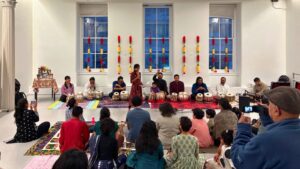
Tabla’s evolution is closely tied to its role in ensembles. While solo tabla recitals highlight improvisation and rhythmic virtuosity, the instrument’s collaborative potential has expanded dramatically. In classical settings, tabla accompanies vocalists, instrumentalists, and dancers, requiring acute responsiveness to melodic and tempo shifts.
Contemporary ensembles extend tabla’s role to jazz bands, electronic music performances, and world music collaborations. Students attending Tabla classes NYC often engage in ensemble workshops, gaining experience in dynamic interplay, improvisational dialogue, and adaptive performance. This ensemble-based learning fosters versatility, preparing musicians to navigate both traditional and contemporary stages.
Contemporary Styles and Fusion
In recent decades, tabla has embraced global music trends, reflecting its adaptability and timeless appeal. Fusion projects combine tabla with genres such as jazz, hip-hop, rock, and ambient electronic music. Producers and performers leverage tabla’s rich tonal palette and rhythmic intricacy to create new textures and cross-cultural dialogues.
Modern tabla players often experiment with extended techniques, digital sampling, and loop-based compositions, pushing the boundaries of rhythm while preserving the essence of traditional strokes. For students, exposure to these contemporary applications provides a holistic understanding of tabla’s evolving role, bridging heritage and innovation.
Pedagogy in the Digital Age
The proliferation of online learning has transformed tabla education. Tabla classes NYC now include digital platforms, virtual workshops, and interactive curricula that complement in-person instruction. Students can access detailed demonstrations, slow-motion technique tutorials, and structured practice schedules, facilitating personalized learning regardless of geographic location.
Digital pedagogy also allows exposure to a broader repertoire, including rare compositions from diverse gharanas, recorded performances of legendary masters, and collaborative projects with musicians worldwide. This integration of traditional rigor and digital accessibility ensures tabla education remains vibrant, adaptive, and globally relevant.
Progression and Mastery
Mastery of tabla requires a lifelong commitment to disciplined practice, theoretical understanding, and creative exploration. The learning journey typically follows a progression from technical fluency to improvisational sophistication and expressive artistry. Advanced students not only perform complex compositions but also develop an interpretive voice, contributing original ideas while honoring classical traditions.
Structured programs, such as those offered by Tabla classes NYC, provide a clear roadmap for progression. Students are assessed periodically, participate in recitals, and receive mentorship that balances technique, musicality, and stage presence. This conservatory-style approach ensures that learners cultivate both technical excellence and artistic confidence.
Conclusion
The evolution of tabla reflects a rich tapestry of tradition, discipline, and innovation. From its roots in North Indian classical music to contemporary fusion projects, the instrument embodies both historical continuity and creative adaptability. Structured educational programs, particularly in cosmopolitan settings like New York, offer learners a comprehensive path from foundational technique to advanced performance. By combining traditional pedagogy, ensemble experience, and exposure to contemporary styles, students can fully appreciate the tabla’s enduring musical legacy.
For those seeking to embark on this journey, Tabla classes NYC offer not just instruction but a bridge between heritage and modern musical expression, ensuring that the tabla continues to resonate across generations and genres.