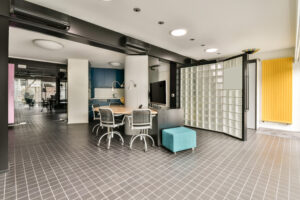
Have you ever walked into a room and immediately felt your shoulders relax? Or perhaps you’ve entered a cluttered, dark office and felt your energy levels drop? This isn’t a coincidence. Our physical environment has a profound impact on our mental state, emotional well-being, and productivity.
We spend a significant amount of our lives indoors—some estimates suggest up to 90%. Because we are constantly surrounded by our built environments, the design of our homes and workplaces plays a critical role in how we think and feel. A renovation is often viewed as a financial investment or a way to update an old aesthetic. However, it is also an investment in your psychological health.
Understanding the link between space and the mind can help you make better decisions during your next project. By focusing on how a room feels, rather than just how it looks, you can create environments that genuinely support your lifestyle.
The Psychology of Space
When we talk about the psychology of space, we are looking at how different design elements stimulate our brains. It involves sensory inputs—what we see, feel, and hear—and how they translate into emotions. Here are three major components that influence our mood.
The Impact of Color
Color is one of the most powerful tools in design psychology. Different hues can evoke specific emotional responses.
- Cool colors: Shades of blue and green are often associated with nature, water, and the sky. They tend to have a calming effect, lowering heart rates and reducing anxiety. These are excellent choices for bedrooms or bathrooms.
- Warm colors: Reds, oranges, and yellows are stimulating. They grab attention and can increase energy or appetite. These are often used in dining areas or creative spaces.
- Neutrals: White, beige, and gray provide a sense of cleanliness and simplicity. They allow the mind to rest, though too much stark white can sometimes feel clinical or cold.
The Power of Light
Lighting does more than just help us see; it regulates our biological clock. Natural light is essential for maintaining a healthy circadian rhythm, which controls our sleep-wake cycles. A space filled with natural light boosts serotonin levels, making us feel happier and more alert. Conversely, dim or harsh artificial lighting can lead to eye strain, fatigue, and even lower moods.
Layout and Flow
The physical arrangement of a room dictates how we move through it. A cramped, cluttered layout can trigger a stress response because the brain perceives it as chaotic. On the other hand, an open flow allows for easy movement and clear sightlines, which fosters a sense of safety and control. “Flow” isn’t just about walking from point A to point B; it is about how easily you can accomplish tasks within the space.
Real-World Transformations
To understand this better, it helps to look at how changes in a physical space translate to changes in behavior.
Consider a family with a closed-off, galley-style kitchen. The cook is isolated from the rest of the family, leading to feelings of separation. By removing a wall and creating an open-plan kitchen and living area, the dynamic changes. The physical barrier is gone, allowing for social interaction during meal prep. This renovation doesn’t just add square footage; it fosters connection and reduces social isolation.
Another example is the home office. Many people work from dining tables or makeshift corners. This lack of separation between “work” and “life” can lead to burnout. Renovating a spare room or even a dedicated nook with soundproofing and ergonomic design creates a psychological boundary. When you step into that space, your brain knows it is time to focus. When you leave, you can mentally disconnect.
Tips for Creating Inspiring Environments
If you are planning a renovation, how can you ensure your new space supports your mental well-being? Here are a few actionable tips.
- Prioritize Natural Light: If possible, enlarge windows or add skylights. If structural changes aren’t an option, use mirrors to reflect light and choose lighter wall colors to brighten the room.
- Declutter with Storage: Anxiety often stems from visual chaos. Plan for ample storage solutions—like built-in cabinets or closet organizers—to keep everyday items out of sight. A clear space promotes a clear mind.
- Bring Nature Indoors: Biophilic design, or the practice of connecting people with nature, is shown to reduce stress. Use natural materials like wood, stone, or bamboo, and leave space for indoor plants.
- Design for Function: Frustration arises when a space doesn’t work the way you need it to. Think about your daily habits. Do you need a drop zone for keys near the door? Do you need outlets inside your bathroom drawers? Solving these small friction points makes daily life smoother.
The Role of Professional Expertise
While DIY projects can be rewarding, major renovations often require a level of spatial awareness that comes with experience. A poorly executed renovation can actually increase stress if the layout is awkward or the lighting is insufficient.
Professional designers and contractors understand the nuances of flow and ergonomics. They can see potential that you might miss. This is especially true for workspaces. If you are updating a business setting, commercial renovation services can ensure the design aligns with employee productivity and brand identity. Professionals ensure that the structural changes support the psychological outcome you are hoping to achieve.
Creating Your Sanctuary
A post-renovation environment offers a fresh start. It is an opportunity to shape your surroundings to better serve your mental and emotional needs. Whether you are knocking down walls to create connection or painting a room blue to induce calm, remember that your home is a tool for your well-being. By considering the psychology of space, you can build a home that doesn’t just look new, but feels right.