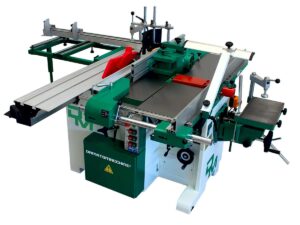
Investing in a woodworking machine is a significant decision, whether you are a hobbyist looking to upgrade your home workshop or a business owner aiming to enhance production efficiency. A woodworking machine can transform your projects, making them faster, more precise, and more professional. However, before making a purchase, it’s essential to understand the key factors that influence your investment, the types of machines available, and how to align your purchase with your goals.
Understanding the Importance of Choosing the Right Woodworking Machine
Selecting the right woodworking machine is more than just picking the latest model. The machine you choose will directly affect your workflow, the quality of your output, and long-term operational costs. A high-quality woodworking machine can last decades if properly maintained, but the wrong choice may lead to frustration, wasted resources, and limited project capabilities.
Before investing, take a close look at your current and future needs. Are you primarily cutting, shaping, sanding, or finishing wood? Do you need a machine suitable for small-scale craft projects or heavy-duty production? Knowing the answers to these questions will help narrow down your options and ensure that your investment pays off in efficiency and performance.
Key Types of Woodworking Machines
There is a wide variety of woodworking machines available, each serving different functions. Understanding the differences between them will help you make an informed decision.
Table Saws
A table saw is often considered the centerpiece of a workshop. It is ideal for making straight, precise cuts in large panels or boards. When selecting a table saw, consider the blade size, motor power, and safety features. High-end models offer advanced features such as adjustable fences and dust collection systems that improve both accuracy and cleanliness in the workshop.
CNC Routers
CNC routers are computer-controlled machines that allow for intricate and repetitive cutting, carving, or engraving with exceptional precision. Investing in a CNC woodworking machine can dramatically increase production efficiency, especially for custom furniture or complex designs. These machines often come with software packages that control cutting patterns, making them ideal for both small businesses and large-scale production.
Planers and Jointers
Planers and jointers are essential for achieving smooth, even surfaces and consistent thickness across wood pieces. A planer is used to flatten and reduce board thickness, while a jointer creates perfectly straight edges for seamless joints. When choosing these machines, consider their cutting capacity, power, and ease of adjustment. Proper use of planers and jointers ensures your final product meets professional standards.
Band Saws
Band saws are versatile tools for making curved cuts, resawing boards, and cutting intricate shapes. They are an excellent addition to any workshop for creative woodworking projects. Look for features such as variable speed, blade tensioning systems, and a sturdy frame to ensure precision and longevity.
Sanders
Sanding machines are crucial for finishing and smoothing surfaces. Options include belt sanders, disc sanders, and drum sanders. Investing in the right sanding machine can save hours of manual labor and produce a flawless finish. Pay attention to sanding speed, dust extraction capabilities, and compatibility with different grit sizes.
Factors to Consider Before Buying a Woodworking Machine
Purchasing a woodworking machine requires careful planning. Here are key factors to evaluate before making your investment.
Budget and Long-Term Costs
The initial price of a woodworking machine is only part of the equation. Consider long-term costs such as maintenance, replacement parts, and electricity usage. Sometimes a higher upfront investment in a reliable machine is more cost-effective than a cheaper model that requires frequent repairs.
Space and Workshop Layout
Woodworking machines vary significantly in size. Make sure your workshop has adequate space for the machine, including clearance for safe operation and material handling. Consider how the machine will fit into your workflow to avoid bottlenecks or inefficiencies.
Power Requirements
Different machines have varying power requirements. Ensure that your electrical system can handle the demands of the machine you intend to purchase. Overloading circuits can be dangerous and may damage the machine.
Safety Features
Safety should never be overlooked. Look for machines with built-in safety mechanisms such as blade guards, emergency stops, and dust extraction systems. Proper training and adherence to safety protocols are essential for preventing accidents in the workshop.
Versatility and Expandability
Some woodworking machines offer additional attachments or modules that expand their capabilities. For example, a table saw may be compatible with dado blades, or a CNC router may support multiple tool heads. Investing in a versatile machine ensures it can adapt to evolving needs without requiring frequent replacements.
Brand Reputation and Reviews
Researching the brand and model of the woodworking machine is crucial. Established brands often provide better customer support, spare parts availability, and proven reliability. Reading reviews from other users can also provide valuable insight into potential issues and performance expectations.
Financing and Warranties
Woodworking machines can be a significant investment, and financing options may be available through manufacturers or suppliers. Explore payment plans or leasing options to manage upfront costs. Additionally, ensure the machine comes with a warranty that covers critical components and service support. A solid warranty provides peace of mind and protects your investment.
Maintenance and Skill Requirements
Owning a woodworking machine comes with ongoing responsibilities. Regular maintenance, including cleaning, lubrication, and blade or bit replacement, is necessary to ensure optimal performance. Additionally, some machines require a higher skill level to operate effectively, especially CNC machines. Investing in training or practice is essential to fully utilize the machine’s capabilities.
Making the Final Decision
Before finalizing your purchase, create a checklist that includes your workshop needs, budget, safety considerations, and desired machine features. Compare multiple models, seek expert advice, and if possible, test the machines in a showroom or through demonstrations. A thoughtful decision reduces the risk of buyer’s remorse and ensures that your woodworking machine becomes a valuable asset rather than a source of frustration.
Conclusion
Investing in a woodworking machine is a step that can elevate your craftsmanship, productivity, and project quality. By understanding the types of machines available, evaluating your workshop requirements, considering long-term costs, and prioritizing safety and versatility, you can make a well-informed decision. A carefully chosen woodworking machine is not just a tool—it is an investment in efficiency, precision, and the future of your woodworking endeavors. Proper planning and research ensure that your machine will serve you reliably for years to come, helping you achieve professional results in every project.