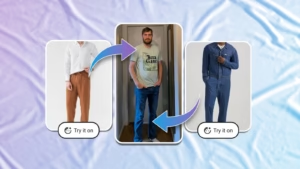
Understanding AI Clothes Try-On Technology
AI clothes try on has emerged as one of the most transformative innovations in the fashion industry. By leveraging artificial intelligence, machine learning, and augmented reality, this technology allows consumers to virtually try on clothing without stepping into a physical store. The concept merges convenience with personalization, enabling shoppers to see how different styles, colors, and sizes fit their unique body types. Unlike traditional online shopping, where purchasing decisions are based on product images and size charts, AI clothes try on provides an interactive experience that closely mimics real-world fitting. This approach is reshaping how consumers interact with fashion brands and making online shopping more immersive and satisfying.
How AI Clothes Try-On Enhances Shopping Experience
One of the most significant benefits of AI clothes try on is the enhancement of the overall shopping experience. Shoppers can experiment with various outfits in seconds, switching styles and sizes effortlessly. This immediacy reduces the time and effort spent browsing through physical stores or scrolling endlessly online. AI technology considers body shape, size, and proportions, creating realistic visualizations of how a garment would look in real life. Some advanced platforms even incorporate fabric behavior, simulating how a piece of clothing drapes, stretches, or flows with movement. As a result, consumers gain a more accurate understanding of fit and style, leading to more confident purchasing decisions.
AI Clothes Try-On and Personalization
Personalization is at the heart of AI clothes try on. Modern consumers crave tailored experiences that reflect their preferences and individuality. AI-powered virtual fitting rooms analyze user data, including previous purchases, style preferences, and body measurements, to suggest items that align with the shopper’s taste. By providing customized recommendations, these platforms make it easier to discover new brands or styles that might otherwise be overlooked. Additionally, AI clothes try on can adapt to changing trends, offering timely suggestions and helping users stay ahead in fashion. This level of personalization goes beyond convenience; it fosters loyalty and engagement between consumers and brands.
Reducing Returns and Environmental Impact
Another important advantage of AI clothes try on is its potential to reduce product returns, which is a major concern for online retailers. Misfit or poorly visualized clothing is one of the leading reasons for returns, resulting in additional costs and environmental strain due to shipping and manufacturing. By allowing consumers to accurately see how garments fit and look on their bodies, AI clothes try on minimizes the likelihood of dissatisfaction. Fewer returns not only save money for retailers but also contribute to sustainability efforts by reducing unnecessary shipping and waste. This aligns with growing consumer demand for eco-friendly shopping practices and responsible fashion consumption.
Integration with Social Media and Digital Platforms
AI clothes try on is increasingly integrated with social media and other digital platforms, creating new opportunities for interactive marketing. Shoppers can share virtual outfits with friends or receive feedback from online communities before making a purchase. Some brands incorporate AI try-on features directly into apps like Instagram or Snapchat, allowing users to virtually try items through their cameras in real time. This social aspect enhances engagement and encourages users to explore products more creatively. Influencers and content creators also benefit, as they can showcase multiple outfits in dynamic ways without needing extensive photoshoots or inventory.
Technological Advances Driving AI Clothes Try-On
The effectiveness of AI clothes try on depends on advanced technologies such as 3D modeling, computer vision, and neural networks. 3D modeling enables realistic representations of garments, capturing details like texture, pattern, and movement. Computer vision helps the system recognize body shapes and proportions, while neural networks process vast amounts of data to predict the best fit and style suggestions. Continuous improvements in artificial intelligence and processing power have made these virtual try-on experiences more accurate and lifelike. As technology evolves, AI clothes try on is expected to include even more sophisticated features, such as real-time motion tracking, personalized styling advice, and integration with smart mirrors in physical stores.
Impact on Retailers and Fashion Brands
For fashion brands and retailers, AI clothes try on represents a strategic tool to drive sales and enhance customer satisfaction. Offering a virtual fitting room can increase conversion rates by giving shoppers the confidence to purchase items online. Brands can also use AI analytics to understand consumer behavior, monitor trends, and optimize inventory. By incorporating AI clothes try on into marketing strategies, companies can provide innovative experiences that differentiate them in a highly competitive market. Moreover, smaller brands gain access to technology that was once limited to major retailers, leveling the playing field and fostering creativity in online fashion retail.
Future Prospects of AI Clothes Try-On
The future of AI clothes try on is promising, with continued advancements expected to further revolutionize personalized shopping. As artificial intelligence becomes more sophisticated, virtual try-on experiences will be increasingly realistic, offering precise simulations of fit, texture, and movement. Integration with augmented reality and virtual reality could create immersive fashion experiences, where consumers can explore entire virtual stores or interact with digital fashion shows. Additionally, AI-powered virtual stylists may provide tailored outfit recommendations based on occasions, seasons, or personal preferences. The combination of these features will redefine convenience, personalization, and sustainability in fashion retail.
Conclusion
AI clothes try on is reshaping the landscape of fashion by merging technology, personalization, and convenience. It offers consumers an interactive, accurate, and enjoyable way to explore clothing, while also benefiting retailers through increased conversions, reduced returns, and enhanced customer engagement. By providing realistic visualizations and personalized recommendations, AI clothes try on empowers shoppers to make informed fashion choices, reflecting their individuality and style preferences. As technology continues to advance, this innovation promises to become an integral part of the fashion industry, redefining how we shop, interact with brands, and experience clothing in the digital age.