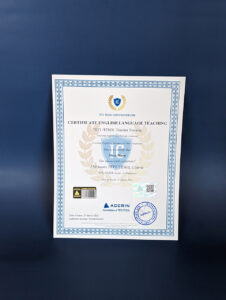
Teaching English online has become one of the most popular ways to build an exciting, flexible career — and choosing the right TEFL course in South Africa is the first crucial step. TEFL (Teaching English as a Foreign Language) certification opens up opportunities to work with students around the world, whether in schools, language institutes, or through one-on-one online lessons. But with so many TEFL programs available, how do you decide which one is the best fit for you? This guide breaks down everything you need to know to confidently choose the best TEFL course that will equip you with the skills, credibility, and confidence you need as an online English teacher.
Understanding What a TEFL Course Should Offer
First, it’s important to understand what a high-quality TEFL course should provide. A good course goes beyond basic theory and equips you with practical teaching tools that prepare you for real online classroom settings. When choosing a TEFL course in South Africa for teaching English online, look for programs that cover essential areas such as lesson planning, classroom management, teaching grammar and vocabulary, language acquisition theory, and assessment techniques.
A strong TEFL course should also include guided practice or teaching simulations which help you build confidence in managing real student interactions. A course that combines theory with practical teaching experience gives you the best preparation for both group lessons and individual tutoring online.
Accreditation and Credibility
Accreditation is one of the most important factors you must check when choosing a TEFL course. Accredited TEFL certification means that the course meets established standards recognized by reputable educational bodies. This is crucial because employers and online teaching platforms often require or prefer TEFL certificates that are internationally recognized and credible.
When researching TEFL courses in South Africa, check whether the provider is accredited by respected organizations. Accreditation ensures that your certificate will be accepted by employers worldwide and increases your chances of landing a good online teaching position. You can typically find accreditation information on the course provider’s website or by contacting their support team directly.
Course Length and Certification Level
TEFL courses vary greatly in length and depth. Some introductory courses may offer 40 hours of training, while more comprehensive programs can be 120 hours or more. Generally, a 120-hour TEFL course is considered the industry standard and recommended if you want to teach English online with higher pay and better job opportunities.
Shorter courses are useful for beginners who want a basic introduction, but larger platforms and reputable employers tend to look for the more extensive 120-hour TEFL certification. If your budget and schedule allow it, choosing a longer course will give you deeper knowledge and better standing in the competitive online teaching marketplace.
Practical Teaching Experience and Support
One of the biggest challenges for new online English teachers is gaining confidence in actual teaching practice. A quality TEFL course should offer opportunities for practical teaching experience, such as classroom observations, mock teaching sessions, or a practicum component. This type of support helps bridge the gap between learning theory and applying it in real online lessons.
In addition to practical experience, look for TEFL courses that offer support through student forums, tutor feedback, or ongoing professional development. Having access to expert guidance while you train — and even after certification — can make a significant difference in your teaching skills and job search success.
Specialized Training for Online English Teaching
Teaching English online has its own unique demands. The best TEFL course for your goals should include modules or sections specifically focused on online instruction. This includes training in using online teaching tools, managing virtual classrooms, engaging remote learners, and adapting lesson plans to digital platforms.
Some providers offer specialized certificates in online English teaching, which can boost your credibility and help you stand out to employers who are specifically seeking online tutors. When comparing TEFL courses in South Africa, be sure to see whether the curriculum has components tailored to online English teaching.
Reviews and Reputation
Before committing to a TEFL course, always check course reviews and the reputation of the provider. Reviews from past students can offer honest insights into the quality, level of support, and practical outcomes of the course. You can find reviews on educational forums, Google reviews, teacher networks, and social media groups dedicated to TEFL and online teaching.
Positive feedback about curriculum quality, tutor accessibility, and job assistance are strong indicators of a TEFL course’s reliability. Be cautious if you find consistently negative reviews, poor communication from the provider, or complaints about outdated course content. Your TEFL investment should help you grow, not leave you with a certificate that lacks value.
Cost and Value for Money
TEFL courses come at many price points, ranging from budget-friendly options to premium programs with added features. Price alone should not be the deciding factor — instead, consider the value you get for your money. A slightly more expensive course that offers accreditation, extensive content, practical teaching experience, and job support will often be more valuable than a cheaper course with limited content.
Keep in mind any additional costs as well, such as study materials, exam fees, or the cost of optional tutoring or practicum components. Choosing a course that fits your budget while still providing strong preparation for online teaching will ensure you get the most out of your investment.
Job Support and Placement Assistance
Some TEFL course providers offer job assistance services, which can be extremely helpful when you’re ready to begin teaching English online. These services may include resume reviews, interview preparation, connections with online schools, or access to exclusive job boards. While not all TEFL programs provide this, it can be a major advantage, especially for new teachers entering the competitive online market.
Before enrolling, check whether the TEFL course you’re considering offers job support and how extensive it is. Some providers guarantee placement assistance, while others simply offer general guidance. Understand what’s included so you can use these resources effectively to launch your online teaching career.
Fit With Your Career Goals
Choosing the best TEFL course also means considering your long-term goals. If you’re looking to specialize in teaching young learners, business English, or one-on-one tutoring, make sure the course offers modules or electives aligned with your interests. Tailoring your TEFL training to your strengths and career ambitions can help you find your niche in the online teaching world.
Reflect on whether you want to freelance, work with established online teaching companies, or perhaps later transition into in-person teaching abroad. Your TEFL choice should support not just your immediate goal of teaching English online but also any future aspirations you may have.
Choosing the best TEFL course in South Africa for teaching English online may seem daunting at first, but by focusing on accreditation, course content, practical experience, online teaching specialization, reputation, and support services, you can make a confident decision. With the right TEFL certification in hand, you’ll be well on your way to launching a successful and rewarding online teaching career.