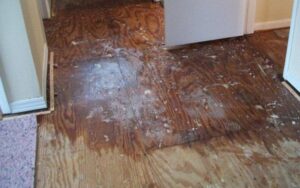
Water damage is one of the most common yet underestimated threats to a home. While some homeowners might notice a small leak or damp spot and consider it minor, even minimal water exposure can have long-lasting and severe consequences. Understanding the full scope of water damage is crucial for protecting your property, ensuring safety, and avoiding costly repairs in the future.
How Water Damage Starts and Spreads
Water damage can occur in multiple ways, from natural disasters like floods and heavy rains to plumbing leaks or appliance malfunctions. Even seemingly minor issues, such as a dripping faucet, can lead to significant damage over time. Water tends to seep into walls, floors, and ceilings, creating an environment where hidden damage can flourish undetected for months or even years.
Moisture can penetrate structural materials, such as wood and drywall, weakening their integrity. Over time, this can compromise the strength of your home’s foundation, framing, and other critical components. The longer water exposure persists, the more extensive and costly the repairs can become.
Structural Consequences of Prolonged Exposure
One of the most significant long-term effects of water damage is its impact on the structural integrity of your home. Wood, a common construction material, absorbs water and swells, which can lead to warping, cracking, and eventual decay. Drywall and plaster also degrade over time, creating weakened walls and ceilings.
Persistent moisture can affect your home’s foundation, causing cracks and uneven settling. Even minor cracks can expand over time, leading to serious structural concerns. Ignoring early signs of water damage can turn what may have been a simple repair into a major renovation project, often costing tens of thousands of dollars.
Mold Growth and Health Risks
One of the most dangerous consequences of water damage is mold growth. Mold thrives in damp environments, and it can begin growing within 24 to 48 hours of water exposure. Once mold takes hold, it can spread rapidly, affecting walls, carpets, insulation, and even furniture.
Mold is not only a cosmetic concern; it poses serious health risks. Exposure to mold spores can cause respiratory issues, allergies, skin irritation, and aggravate conditions like asthma. Children, the elderly, and individuals with weakened immune systems are particularly vulnerable. Homeowners who ignore water damage increase their risk of mold-related health problems over time.
Electrical Hazards and Appliance Damage
Water damage can also affect the electrical system in a home. Moisture can seep into outlets, wiring, and appliances, creating potential fire hazards or causing electrical failures. Even small leaks around electrical components should never be ignored, as they pose a significant safety risk.
In addition to electrical concerns, water damage can ruin household appliances. Items like refrigerators, washers, dryers, and HVAC systems are particularly susceptible to water exposure. Replacing these appliances can be expensive, adding to the long-term financial burden caused by water damage.
Damage to Flooring and Furniture
Flooring is often the first part of a home affected by water damage. Hardwood floors can warp, buckle, or discolor, while carpets and rugs may retain moisture, encouraging mold growth underneath. Tile and laminate flooring may seem resilient, but prolonged exposure to water can loosen adhesives and grout, leading to costly repairs or replacements.
Furniture is also vulnerable. Wood furniture can swell, crack, or become discolored, while upholstered pieces can absorb moisture, creating mold-friendly environments. Protecting your floors and furnishings from water damage is essential to preserving the value and comfort of your home.
Long-Term Financial Implications
Water damage carries significant financial implications for homeowners. Repair costs can escalate quickly, especially when structural damage, mold remediation, and appliance replacement are involved. Insurance may cover some damages, but not all policies include comprehensive water damage coverage.
Moreover, untreated water damage can reduce the resale value of your home. Potential buyers are often wary of homes with a history of water problems, and disclosure requirements may necessitate revealing past water damage. By addressing water damage promptly, homeowners can minimize financial losses and protect their investment.
Preventative Measures and Maintenance
Preventing water damage before it occurs is the most effective way to avoid long-term consequences. Regular maintenance of plumbing, roofing, and appliances can identify potential problems early. Inspecting your home for leaks, water stains, or unusual odors can help catch damage before it becomes severe.
Installing water detection devices, sump pumps, and proper drainage systems can provide early warnings and prevent flooding. Homeowners should also consider using water-resistant materials in vulnerable areas, such as basements, bathrooms, and kitchens. Promptly addressing any leaks or water exposure is critical to preventing structural damage and mold growth.
Professional Water Damage Assessment
When water damage occurs, it’s crucial to involve professionals for assessment and remediation. Licensed contractors and restoration specialists can evaluate the extent of damage, identify hidden issues, and implement appropriate solutions. Professional water damage restoration often includes drying, cleaning, disinfecting, and repairing affected areas.
Acting quickly after water exposure can dramatically reduce long-term effects. The sooner damage is addressed, the lower the risk of structural compromise, mold growth, and costly repairs.
Conclusion
Water damage is more than just a minor inconvenience—it is a serious threat to both the safety and value of your home. Its long-term effects, from structural issues to health risks, can escalate quickly if left unaddressed. Homeowners must remain vigilant, conduct regular inspections, and address leaks or water intrusion immediately.
By understanding the potential consequences of water damage and taking proactive measures, homeowners can protect their property, preserve its value, and ensure a safe living environment for years to come. Early detection, proper maintenance, and professional intervention are the keys to minimizing the long-term effects of water damage.