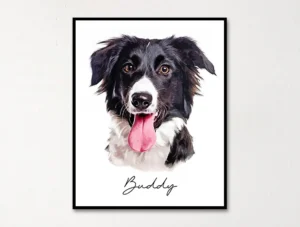
Pet photography has always held a special place in the hearts of animal lovers. Capturing the perfect moment when a dog tilts its head just right or when a cat lounges in sunlight has traditionally required patience, skill, and sometimes a lot of luck. However, with the rise of technology, particularly artificial intelligence, pet photography is undergoing a dramatic transformation. One of the most significant innovations leading this change is the AI pet photo app. These apps are redefining how we capture, enhance, and share images of our beloved pets.
The Rise of AI in Pet Photography
Artificial intelligence has infiltrated nearly every sector of creative technology, and pet photography is no exception. Traditional pet photography often involves professional cameras, lighting setups, and props, which can be costly and time-consuming. However, the AI pet photo app simplifies this process by allowing pet owners to create stunning photographs with just a smartphone. These apps use sophisticated algorithms to recognize pets in the frame, adjust lighting and focus automatically, and even suggest poses or angles that highlight the pet’s personality.
This technology eliminates much of the trial and error involved in traditional pet photography. AI-driven features ensure that even novice pet owners can capture high-quality images that rival those taken by professional photographers. Whether it’s a playful puppy or a sleepy cat, an AI pet photo app can optimize the picture for clarity, color balance, and composition in mere seconds.
Key Features of AI Pet Photo Apps
Modern AI pet photo apps come loaded with features designed to enhance both the photography process and the final image. Some of the standout functionalities include:
Intelligent Pet Recognition
One of the most impressive aspects of AI-driven apps is their ability to recognize pets automatically. Using computer vision, these apps can distinguish between different breeds, identify multiple pets in a single frame, and even detect facial expressions or body language. This allows for targeted adjustments, ensuring the pet always looks its best in every photo.
Real-Time Editing
Another revolutionary feature is real-time editing. While taking a picture, the app can instantly adjust exposure, focus, and color balance. AI algorithms can even remove background distractions or enhance certain features, such as a cat’s eyes or a dog’s fur texture. This feature not only saves time but also guarantees that every shot is social media-ready.
Creative Filters and Effects
AI pet photo apps offer a variety of filters and effects tailored specifically for animals. Unlike generic photo filters, these AI-generated options consider the pet’s fur color, lighting conditions, and natural markings to enhance the photo realistically. Users can also create artistic renditions of their pets, from digital paintings to whimsical animations, making every image unique.
Pose and Action Suggestions
Catching pets in motion can be challenging. AI pet photo apps often provide pose and action suggestions, guiding owners to take photos when the pet is most expressive. Some apps even offer prompts like “tilt head slightly” or “capture mid-jump,” helping users achieve dynamic and engaging photos effortlessly.
Benefits for Pet Owners and Photographers
The impact of AI pet photo apps extends beyond convenience. For pet owners, these apps provide an accessible way to create cherished memories. A casual walk in the park can yield a gallery of professional-looking photos without the need for expensive equipment or photography lessons.
Professional photographers also benefit from AI technology. While traditional pet photographers bring experience and equipment to the table, AI apps can handle repetitive tasks such as editing and enhancing photos. This allows photographers to focus more on creativity, storytelling, and capturing emotional moments rather than technical adjustments.
Additionally, AI pet photo apps open new avenues for sharing and social engagement. Many apps integrate seamlessly with social media platforms, allowing pet owners to post high-quality photos instantly. The viral nature of cute pet photos is amplified when images are sharp, well-lit, and aesthetically pleasing—something AI can consistently deliver.
The Role of AI in Preserving Pet Memories
Pets are often considered family members, and their presence in photos helps preserve memories over the years. Traditional photography can miss these fleeting moments, especially as pets grow and change quickly. AI pet photo apps ensure that each stage of a pet’s life is captured with precision. Features like automated photo tagging, memory albums, and even AI-generated videos compile the best moments effortlessly.
Moreover, AI can help enhance older or lower-quality images. For instance, a blurry picture of a kitten can be sharpened, colors adjusted, and even minor imperfections removed. This technology not only improves aesthetics but also helps pet owners create lasting mementos that remain vibrant for years.
Challenges and Ethical Considerations
Despite the numerous advantages, AI pet photo apps are not without challenges. Privacy is a significant concern, as apps often require access to camera and photo libraries. Users must ensure that data is stored securely and that personal information is protected.
There is also the matter of authenticity. While AI filters and enhancements can produce stunning images, some argue that these modifications may misrepresent the pet’s natural appearance. Striking a balance between artistic enhancement and realistic representation is essential to maintain the integrity of pet photography.
The Future of Pet Photography
The potential of AI in pet photography is enormous. As technology continues to evolve, we can expect AI pet photo apps to incorporate even more advanced features such as 3D imaging, augmented reality, and predictive motion capture. These innovations could allow pet owners to create interactive experiences or virtual galleries, further merging technology and creativity.
Additionally, AI may play a role in veterinary care and behavioral analysis. By analyzing a pet’s posture or expression in photos, AI algorithms could provide insights into mood, health, or stress levels. This integration of photography and AI could make pet apps not just a tool for capturing memories, but also for improving pet welfare.
Conclusion
The rise of AI pet photo apps is reshaping the landscape of pet photography. By combining convenience, intelligent editing, and creative enhancement, these apps empower both casual pet owners and professional photographers to capture the essence of pets like never before. As technology advances, the possibilities for AI-driven pet photography are virtually limitless. What was once a complex and time-consuming task has now become accessible, fun, and endlessly creative, ensuring that every wag, purr, and playful leap is beautifully preserved for years to come.