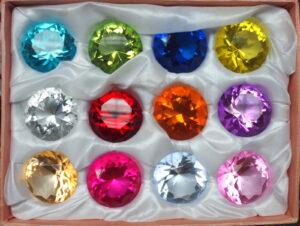
Gemstones have fascinated humanity for centuries. Their vibrant colors, unique shapes, and rarity have made them symbols of beauty, power, and wealth. Understanding gemstones requires exploring their types, properties, and diverse uses. In this article, we will delve into the world of gemstones, with special attention to พลอย, a term that represents precious and semi-precious stones in Thai culture.
The Basics of Gemstones
Gemstones are naturally occurring minerals, rocks, or organic materials that are cut and polished for decorative purposes. They are valued for their aesthetic appeal, durability, and rarity. While diamonds, rubies, emeralds, and sapphires are among the most well-known gemstones, there exists a wide variety of stones, each with its unique properties and uses. พลอย is often used to describe these gemstones collectively in Southeast Asia, highlighting their cultural and spiritual significance.
The value of a gemstone is generally determined by factors such as color, clarity, cut, and carat weight. These factors combine to create the overall beauty and rarity of the stone. Understanding these fundamentals is crucial for collectors, jewelers, and enthusiasts.
Types of Gemstones
Gemstones are generally classified into two major categories: precious and semi-precious. Precious gemstones include diamonds, rubies, sapphires, and emeralds. They are rare and highly valued due to their hardness, brilliance, and historical significance. Semi-precious stones, on the other hand, include amethyst, garnet, peridot, topaz, and many others. While they may be more abundant, semi-precious stones can also possess stunning beauty and value, depending on their quality.
Within these broad categories, gemstones can also be classified based on their chemical composition. Silicate minerals like beryl and garnet, oxide minerals like spinel, and carbon-based stones like diamonds all exhibit different properties. Organic gemstones, such as amber and pearls, are derived from natural processes involving plants or animals.
พลอย encompasses both precious and semi-precious stones, highlighting not only their physical qualities but also their symbolic and cultural roles. For example, ruby พลอย is believed to enhance energy and vitality, while sapphire พลอย represents wisdom and clarity of thought.
Properties of Gemstones
Gemstones possess several physical and metaphysical properties that make them unique. Physically, gemstones are measured for hardness, transparency, and refractive index. Hardness, often measured on the Mohs scale, determines how resistant a gemstone is to scratching. Diamonds rank the highest on the Mohs scale, making them ideal for daily wear in jewelry.
Transparency and clarity affect a gemstone’s brilliance and value. A clear stone with minimal inclusions is generally more desirable. The refractive index measures how light bends as it passes through a gemstone, contributing to its sparkle and visual appeal.
Gemstones also carry metaphysical properties. Different cultures associate specific gemstones with energies, emotions, and spiritual benefits. For example, amethyst พลอย is believed to promote calmness and clarity, while jade พลอย is thought to bring prosperity and protection. These attributes have made gemstones integral not only in jewelry but also in spiritual practices and healing traditions.
Color is another essential property of gemstones. Gemstones come in a wide spectrum of colors, influenced by trace elements within their structure. Chromium gives rubies their deep red hue, while iron and titanium create the blue tones of sapphires. The intensity, saturation, and distribution of color play significant roles in determining a gemstone’s overall beauty and market value.
Uses of Gemstones
Gemstones are versatile in their applications. Their primary use is in jewelry, where they adorn rings, necklaces, bracelets, earrings, and other decorative items. Jewelry not only highlights the beauty of gemstones but also serves as a form of self-expression, cultural identity, and social status.
Beyond aesthetics, gemstones have historical and symbolic significance. Many ancient civilizations used gemstones in religious rituals, royal regalia, and talismans. For example, emerald พลอย was highly prized in ancient Egypt and symbolized fertility and rebirth, while diamond พลอย was considered a symbol of invincibility and strength in medieval Europe.
Gemstones also play a role in alternative medicine and energy healing practices. Crystal therapy, a holistic approach, uses gemstones to balance energy fields, promote well-being, and alleviate stress. Different stones are believed to resonate with specific chakras or areas of the body. Amethyst พลอย is often placed near the head to enhance mental clarity, while rose quartz พลอย is associated with emotional healing and love.
In addition, gemstones are collected as investment assets. High-quality gemstones, especially rare varieties, can appreciate over time. Investors and collectors closely monitor market trends, gemstone grading, and provenance to make informed decisions. พลอย with historical significance or exceptional quality can command high prices in auctions and private sales.
Gemstones are also used in technological applications. Diamonds, due to their unparalleled hardness, are employed in cutting tools, industrial drills, and even in electronics. Certain synthetic gemstones have been engineered for optical devices, lasers, and other scientific instruments, demonstrating that the value of gemstones extends beyond beauty.
Caring for Gemstones
Proper care ensures that gemstones retain their brilliance and value over time. While diamonds are extremely durable, other stones like emeralds and opals require careful handling. Avoiding exposure to harsh chemicals, extreme temperatures, and direct sunlight is essential. Regular cleaning using mild soap and soft brushes helps maintain their shine.
Storing gemstones separately in padded containers prevents scratching and damage. Some stones, particularly porous ones like turquoise พลอย, may require additional care to prevent discoloration or damage from moisture.
Consulting with professional jewelers for cleaning, appraisal, and repair ensures that gemstones remain in optimal condition. Knowledge of a gemstone’s specific properties is essential to determine the most suitable care techniques.
Conclusion
Understanding gemstones involves exploring their types, physical and metaphysical properties, and diverse uses. From precious diamonds and rubies to semi-precious stones like amethyst and garnet, each gemstone carries a unique beauty and significance. The term พลอย captures the essence of these stones in Thai culture, encompassing both their aesthetic and symbolic value.
Gemstones continue to captivate people worldwide through jewelry, spiritual practices, investment opportunities, and technological applications. By understanding their characteristics and proper care, enthusiasts and collectors can appreciate the lasting charm and significance of gemstones for generations to come. Whether admired for their brilliance, worn for their spiritual benefits, or treasured as a form of art and wealth, gemstones hold an enduring place in human history and culture.