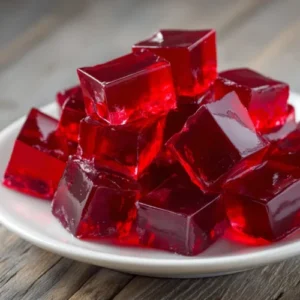
The gelatin trick is one of those fascinating culinary secrets that seems almost magical at first glance. A simple, nearly flavorless ingredient suddenly transforms liquids into silky textures, stabilizes desserts, improves sauces, and even enhances savory dishes. While many home cooks use gelatin based on tradition or recipes passed down over time, the real magic lies in science. Understanding why gelatin behaves the way it does can help you use it more confidently and creatively in your cooking.
This article dives deep into the science behind gelatin, explaining how and why the gelatin trick works so well across different cuisines and cooking techniques.
What Is Gelatin and Where Does It Come From?
Gelatin is a natural protein derived from collagen, which is found in the connective tissues, bones, and skin of animals. When collagen is heated slowly in water, its tightly wound protein structure breaks down into gelatin. Once cooled, gelatin forms a soft, elastic gel that traps water molecules inside it.
This unique ability to shift between liquid and gel states is the foundation of the gelatin trick. Unlike starch or flour, gelatin does not cloud liquids or add a starchy taste. Instead, it creates a clean, smooth texture that melts gently in the mouth.
The Molecular Structure of Gelatin
At the molecular level, gelatin consists of long chains of amino acids. When gelatin is dissolved in warm liquid, these chains separate and float freely. As the mixture cools, the chains reconnect loosely, forming a three-dimensional network. This network captures water, creating a gel.
The strength of this gel depends on factors such as temperature, concentration, and acidity. That is why precise handling is crucial when using the gelatin trick in cooking.
How the Gelatin Trick Works in Cooking
The gelatin trick works because gelatin responds predictably to heat and cooling. When heated, it dissolves smoothly into liquids. When cooled, it sets into a gel without becoming rigid or brittle.
This behavior makes gelatin incredibly versatile. It can thicken soups, stabilize whipped cream, improve the texture of mousses, and even rescue sauces that feel too thin.
Blooming: The First Step That Matters
One of the most important steps in using the gelatin trick correctly is blooming. Blooming means sprinkling gelatin over cold liquid and allowing it to absorb moisture before heating. This step hydrates the gelatin evenly and prevents clumping.
When gelatin is added directly to hot liquid, the outer layer may dissolve too quickly, trapping dry particles inside. Blooming ensures smooth integration and a consistent final texture.
Temperature Control and Gel Formation
Gelatin sets as it cools, typically beginning around room temperature and fully setting in the refrigerator. However, gelatin melts easily when warmed, usually around body temperature. This is why gelatin-based desserts have such a luxurious mouthfeel and seem to melt effortlessly on the tongue.
This melting behavior is also why gelatin is not suitable for dishes served very hot unless used in small amounts for subtle thickening.
Why the Gelatin Trick Improves Texture So Effectively
Texture plays a huge role in how we perceive flavor. The gelatin trick enhances texture by adding body and smoothness without overpowering taste.
In sauces and gravies, gelatin creates a velvety consistency that coats the palate evenly. In desserts, it provides structure while maintaining softness. This balance is difficult to achieve with other thickeners.
Water Binding and Moisture Retention
Gelatin excels at binding water. This property helps foods retain moisture, preventing dryness in dishes like terrines, meat glazes, and chilled desserts. In baking, small amounts of gelatin can even improve crumb softness in certain recipes.
Because gelatin traps water rather than absorbing it completely, it avoids the gummy or pasty texture associated with starch-based thickeners.
The Role of Gelatin in Savory Dishes
While gelatin is often associated with desserts, the gelatin trick is equally powerful in savory cooking. Many classic stocks and broths rely on natural gelatin extracted from bones during long simmering.
Rich Stocks and Soups
A well-made stock sets slightly when chilled due to its gelatin content. This natural gelatin gives soups and sauces a rich mouthfeel and depth. Adding a small amount of powdered gelatin can replicate this effect when time or ingredients are limited.
This approach is commonly used in professional kitchens to enhance sauces without long reduction times.
Meat Dishes and Glazes
Gelatin helps meat glazes cling evenly and shine beautifully. It also improves the texture of dishes like meat terrines and aspics by holding ingredients together without heaviness.
In slow-cooked dishes, gelatin contributes to tenderness by reinforcing moisture retention, making the gelatin trick invaluable for hearty meals.
Gelatin in Desserts and Pastry Applications
Desserts are where the gelatin trick truly shines. From panna cotta to cheesecakes, gelatin provides structure without sacrificing creaminess.
Stabilizing Creams and Mousses
Whipped cream stabilized with gelatin holds its shape longer without weeping. Mousses benefit from gelatin by maintaining lightness while preventing collapse. The result is a dessert that looks elegant and tastes indulgent.
Clear Gels and Elegant Presentations
Gelatin creates clear, glossy gels that showcase layered desserts beautifully. Unlike agar or starch, gelatin offers clarity and a soft bite that enhances presentation and eating experience.
Factors That Affect Gelatin Performance
Understanding the limitations of the gelatin trick is just as important as knowing its strengths.
Acidity and Enzymes
Highly acidic ingredients can weaken gelatin’s ability to set. Fresh fruits like pineapple, kiwi, and papaya contain enzymes that break down gelatin proteins, preventing gel formation unless the fruit is cooked first.
Concentration and Ratio
Too little gelatin results in a weak or unset gel, while too much creates a rubbery texture. Precision is key when applying the gelatin trick, especially in delicate recipes.
Why Chefs and Home Cooks Love the Gelatin Trick
The gelatin trick is beloved because it offers control, consistency, and elegance. It allows cooks to fine-tune textures with minimal impact on flavor. From professional kitchens to home cooking experiments, gelatin provides reliable results when used correctly.
Its ability to elevate simple ingredients into refined dishes makes it a powerful tool for anyone passionate about cooking.
Final Thoughts on the Science of Gelatin
The gelatin trick is not magic, but science working beautifully in the kitchen. By understanding how gelatin behaves at a molecular level, you can unlock its full potential. Whether enhancing a sauce, stabilizing a dessert, or creating luxurious textures, gelatin remains one of the most versatile ingredients in cooking.