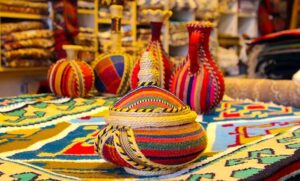
Handicrafts, or
صنایع دستی, have long been an integral part of cultural heritage across the globe. Beyond their aesthetic appeal, these handmade creations hold significant economic value, fostering local economies and providing livelihoods for countless artisans. Understanding the economic impact of handicrafts requires examining the ways in which these products support individual artisans, stimulate local communities, and contribute to broader economic development.
Preserving Cultural Heritage Through Economic Opportunities
Handicrafts are often more than simple objects; they are carriers of tradition, culture, and history. By supporting صنایع دستی, consumers directly contribute to the preservation of unique skills and techniques passed down through generations. This not only ensures that cultural practices remain vibrant but also creates economic opportunities for artisans who might otherwise struggle to earn a sustainable income. Artisans producing traditional crafts can command fair prices for their work, helping them maintain a stable livelihood while keeping their cultural heritage alive.
The economic impact of handicrafts is particularly pronounced in rural or marginalized communities, where employment options may be limited. Craft production often provides alternative income streams, especially for women and other groups who face barriers in formal labor markets. By buying and promoting صنایع دستی, local communities receive financial support that empowers them to invest in education, healthcare, and local infrastructure, creating a positive ripple effect throughout the region.
Stimulating Local Economies
The production and sale of handicrafts can have a direct and measurable effect on local economies. Artisans often source materials locally, purchase tools from nearby suppliers, and sell products in regional markets or through cooperative networks. Each transaction circulates money within the community, strengthening economic resilience and promoting self-sufficiency. In many countries, the handicraft sector represents a significant portion of small-scale entrepreneurship, providing jobs and income for families who may not have access to formal employment opportunities.
Tourism is another area where handicrafts have a strong economic impact. Visitors often seek authentic cultural experiences, including purchasing صنایع دستی as souvenirs or gifts. This demand not only drives sales but also encourages the development of related services, such as guided tours, workshops, and cultural festivals. The multiplier effect of tourism-related handicraft sales can significantly boost local economies, creating jobs in hospitality, transportation, and retail sectors.
Empowering Artisans and Promoting Entrepreneurship
Handicrafts provide artisans with opportunities to develop entrepreneurial skills, including marketing, sales, and business management. By establishing cooperatives, online stores, or participating in craft fairs, artisans can expand their reach and increase revenue streams. Empowering artisans through business education and access to financial resources strengthens their economic independence and reduces vulnerability to exploitation or unfair labor practices.
For women in particular, صنایع دستی can be a powerful tool for empowerment. In many cultures, women’s participation in craft production allows them to contribute financially to their households while balancing domestic responsibilities. As women gain financial autonomy, the social and economic benefits extend to entire families, including improved child welfare, better educational opportunities, and greater community engagement.
Challenges and Opportunities in the Global Market
While handicrafts hold tremendous economic potential, artisans often face challenges in scaling their businesses or competing in the global market. Limited access to resources, marketing knowledge, and digital platforms can restrict their reach and earnings. Moreover, mass-produced imitations can undercut authentic crafts, diminishing income for local artisans.
To address these challenges, initiatives such as fair-trade certification, online marketplaces, and government-backed support programs play a crucial role. Fair-trade systems ensure that artisans receive equitable compensation for their work, while digital platforms allow them to reach international audiences and showcase the uniqueness of صنایع دستی. Training programs and funding opportunities help artisans adopt modern techniques and improve product quality without compromising traditional methods, enabling them to thrive economically in a competitive market.
Environmental Sustainability and Economic Value
Handicrafts also contribute to sustainable economic practices. Many artisans use locally sourced, natural, and renewable materials, which reduces environmental impact compared to mass-produced goods. This eco-friendly approach aligns with growing consumer demand for sustainable products, creating additional market opportunities. By supporting environmentally conscious crafts, communities can generate income while preserving natural resources for future generations.
Case Studies and Global Examples
Several countries have successfully leveraged handicrafts for economic development. In India, the handicraft sector employs millions and contributes significantly to GDP, particularly through exports. Iranian صنایع دستی, such as handwoven carpets and pottery, have long been celebrated for their quality and attract buyers worldwide, boosting both local economies and cultural pride. Similarly, countries in Africa, Southeast Asia, and Latin America have developed cooperative networks and fair-trade initiatives that empower artisans and strengthen rural economies.
These examples demonstrate that investment in handicrafts is not merely about preserving culture but also about creating tangible economic benefits. Communities that actively support their artisans experience improved livelihoods, increased tourism revenue, and a stronger sense of identity and pride in their heritage.
The Role of Policy and Community Support
Governments and organizations play a critical role in maximizing the economic impact of handicrafts. Policies that provide access to training, affordable materials, and marketing support help artisans scale their businesses. Community-driven initiatives, such as local craft markets and cultural festivals, provide platforms for artisans to connect with customers and showcase their work. Educational programs that highlight the value of صنایع دستی encourage young people to learn traditional crafts, ensuring continuity while supporting economic growth.
Collaboration between public and private sectors can further strengthen the handicraft economy. By integrating handicrafts into tourism strategies, export promotion programs, and digital commerce platforms, communities can create sustainable, long-term economic opportunities.
Conclusion
The economic impact of handicrafts extends far beyond simple transactions. By supporting صنایع دستی, consumers, communities, and policymakers contribute to preserving cultural heritage, empowering artisans, stimulating local economies, and promoting sustainable practices. The benefits ripple outward, improving livelihoods, fostering entrepreneurship, and enhancing community cohesion. Investing in handicrafts is an investment in both cultural identity and economic resilience, demonstrating that the value of handmade creations lies not only in their beauty but also in their capacity to transform lives and strengthen communities around the world.
Handicrafts are a bridge between tradition and modern economic development, proving that supporting local artisans is a powerful strategy for achieving both cultural and financial sustainability. Through conscious support of صنایع دستی, societies can ensure that these invaluable skills continue to thrive while creating tangible economic benefits for present and future generations.